


Lazio, in the shade of the greatness of Rome
La Bella Italia, interesting and enchanting. My dear friends, my journey continues as I discover the wonders of this beautiful country. I would like to thank all of you for following me on my travel, hope you are enjoying the stories from my trip.
My diary page today will be written on the region that lies very much in the shadow of its largest city, which happens to be Rome. Are you curious to know what region I am talking about and will travel through? We have all heard of Rome, Roman Empire, Julius Cesar, the Pope, Vatican, Michelangelo, Sistine Chapel. But have you ever heard about Lazio? Italy is made up of 20 regions, and the region of Rome is Lazio. Its name derives from the Pre-Roman Italic people who inhabited the area and were known as Latins. The region was called Latium in ancient times and it is still called so in modern English, but Italians call it Lazio. I am headed to the region that geographically divides Italy’s north and south. If you head north out of Lazio, you will find yourself in the central Italian region of Tuscany. Head south and you are in the sun-soaked region of Campania. To the east the region is bordered by the Apennines mountains and to the west by the Tyrrhenian Coast. During my research I found out that Lazio’s landscape was formed by the eruption of four volcanoes; I am astonished just thinking about it. On books Lazio is described as an interesting and evocative region, unique and fascinating destination, where beautiful volcanic lakes, hills, ruins, Rome, the Vatican City, castles, Etruscan towns and tombs, imperial villas and so much more await a lucky traveler. Each corner of the region is a milestone of history! I could not wait to see it for myself. Let’s go together to Lazio to explore it and to learn everything about it.
The sun rises in the beautiful Ciociaria. I am having my last delicious genuine breakfast in the B&B la Preta Nera at Giuliano di Roma; I will definitely return here. I checked-out and said goodbye to Valerio, the perfect host, “Arrivederci Valerio, a presto.” He replies to me in his gentle way, “Buona giornata Maria e buon viaggio, a presto.”
Got into my red Fiat 500 and set my GPS Navigator, my destination is 99 km away and I can reach it within one hour and fifteen minutes approximately. I will follow the map but will be stopping along the way so, I know, it will take me more to get to there. I am so excited to start my adventure!
As I am making my way out of Giuliano di Roma, I cannot help but turn around and give a last look at this incredibly beautiful and fascinating town and its surroundings. Thanking for every minute spent exploring this undiscovered part of Italy, which is Ciociaria, I turned up the volume on the radio and with Italian music playing I started my new day and my new adventure.
I know that you are all curious as to where my GPS is pointed to. I will be travelling through Lazio but where am I headed? She is the capital city of Italy as well as the capital of the region of Lazio, eternal and beautiful, a 2.773 years old historic city, the one and only Roma. I am driving with the windows of the car rolled down, and fresh breeze was entering, and all I kept thinking about was, that I was going to walk the streets that emperors walked on, that gladiators walked on, that basically the whole world walked on, wow what a thought! Can such a country as Italy have all this beauty and history? Definitely yes. Everything that surrounds me says so; everything I saw along my journey with my own eyes says so.
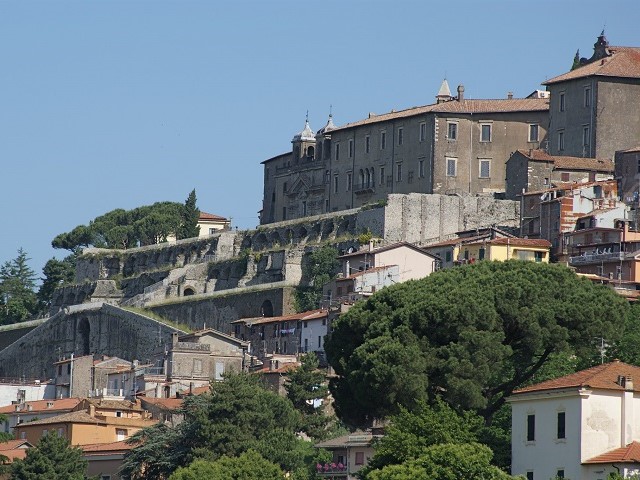
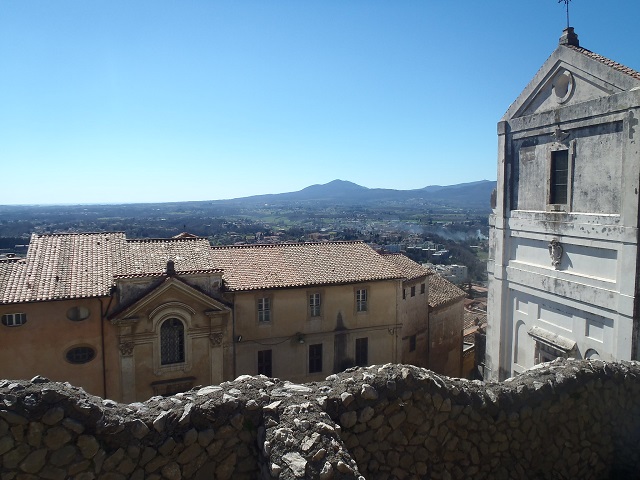
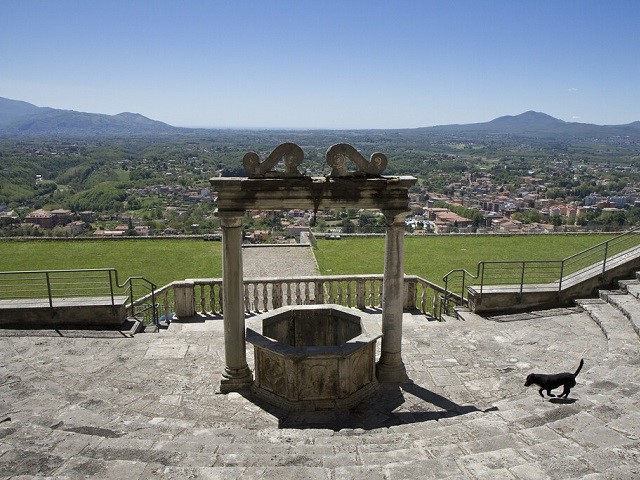
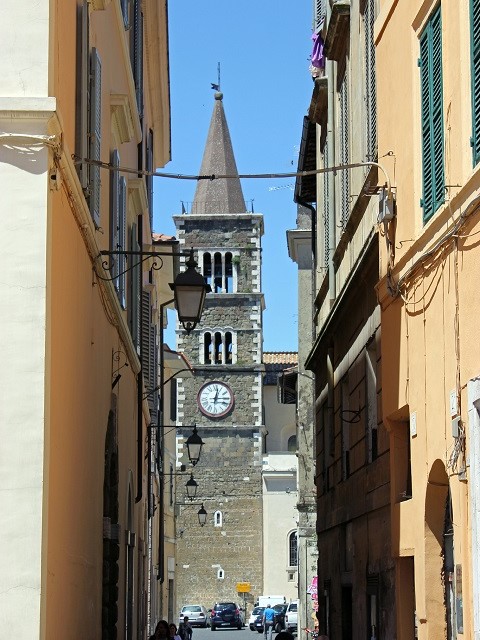
The countryside and the beautiful green hills south of Rome are magical, the region of Lazio offers so much to see and experience. My dear friends I have just stepped into an Italian movie, “meravigliosa, bellissima” was all I could pronounce. Ancient villages started to appear in front of me, such as Palestrina situated on the top of Monte Ginepro, between the rivers of Sacco and Aniene. The present Palestrina is founded on the remains of the antique Praeneste, a Latin city known for its Santuario della Fortuna Primigenia, a sanctuary that is dedicated to the Dea Fortuna, which dates back to the II century A.C. Palestrina overlooks “Valle del Sacco” and it was basically the bypass that connected Lazio to the rest of southern Italy giving it the chance to play an important role as a strategic outpost. I found out that it was also the favorite holiday destination of Emperor Augusto and I understand why. It is amazing, and its surroundings are a beauty to the eyes. I was so blessed to have great weather, warm temperature that allowed me to walk freely and enjoy site seeing.
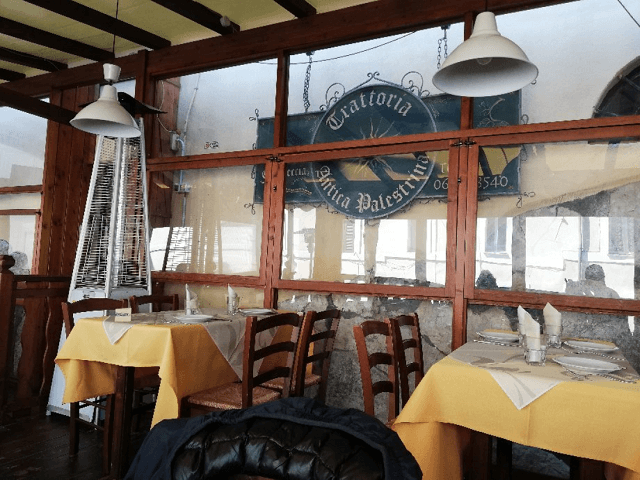
At this point I was thirsty, so I walked into a bar and ordered a freshly squeezed orange juice. While I was waiting for my juice I started to talk to a lovely Italian girl behind the counter. Her name was Clara. We spoke about my journey and she was fascinated by my stories. In a very low sweet voice she asked if she could give me some directions as to what to see in her region, advice as to where to go next. “Grazie Clara, si mi farebbe molto piacere”. I asked her where I could go and eat, because at this point of the day I was hungry. She happily advised me to go to the Antica Palestrina, a very typical restaurant in piazza Santa Maria degli Angeli. I took notes and waved goodbye.
Walking along Italian streets is so incredible. The beauty and joy that Italian people have is contagious. When they speak it is as if there is music coming out of their mouths. So friendly, and ready to give you a hand, even though you are to them a complete stranger.
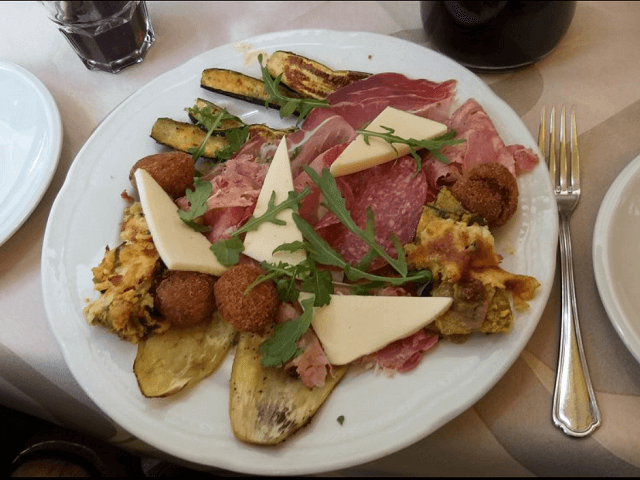
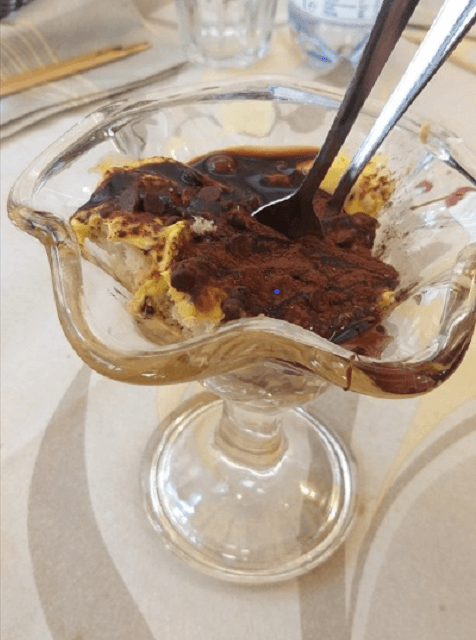
I arrived at the restaurant, sat down and ordered. Giuseppe, the name of my waiter, was so happy to help me decide as to what to eat. Everything sounded so yummy that it was difficult to choose, ahahaha. I eventually had antipasto della casa, then salsiccia e cicoria, patate al forno. I was also craving a sweet, so I ordered a tiramisù. As I was enjoying my lunch, I was wondering if people around were looking at me, because with each bite I took I was literally in heaven and I think it showed. I glanced at the notes that I took as to Clara’s suggestions and was off on the road again.
I arrived at Subiaco and what appears in front of me was the medieval bridge of Sant Francis built in 1358 to bypass the Aniene river and to take you to the convent dedicated to the Saint of Assisi. At the city’s entrance you find Arco Trionfale, put up thanks to the wishes of Pope Pio VI. Another thing that I loved in Subiaco was the medieval village of the Opifici, the most antique neighborhood of the city, situated on the left bank of the river. Many ancient romans used to spend their holidays here, and to testify this are the ruins of the imperial villa that Nerone had built here.
Subiaco is part of a territory rich in history, art and natural beauty. Because of its ancient monuments and its position, it was put on “Italy’s most beautiful villages” list. It is also known as the city of the monasteries founded by San Benedetto da Norcia. Subiaco is a pleasant surprise, a combination of history, spirituality, legends and mystery.
Once in Subiaco, I suggest you visit Rocca Abbaziale, Santuario del Sacro Speco, Monastero di San Benedetto, Monastero di Santa Scolastica, Santa Maria della Valle, Piazza di Pietra Sprecata, Villa di Nerone, Cattedrale di Sant’Andrea.
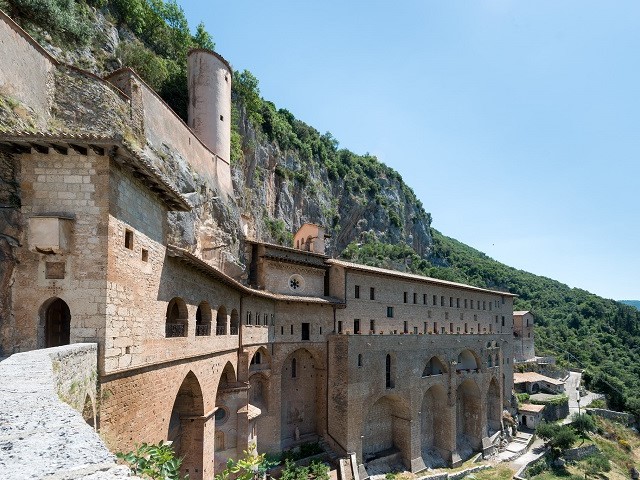
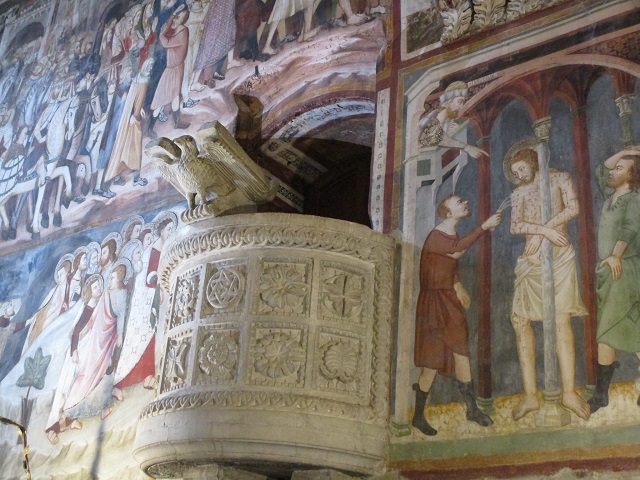
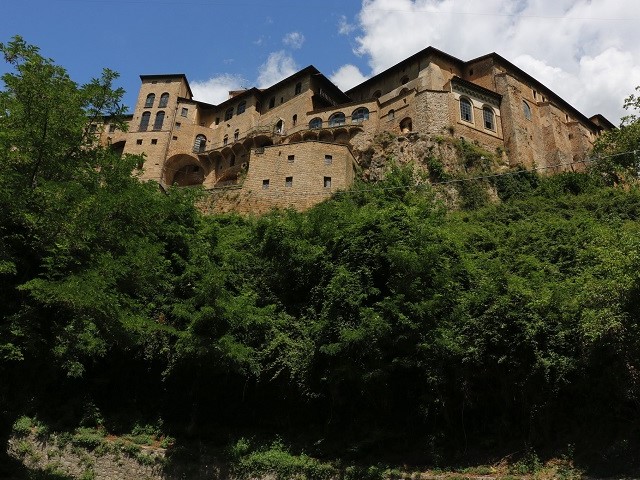
It was a long intensive day, I visited many sites and travelled so much. I wanted to rest and make plans for my next travelling day, so I decided to stay to sleep at a B&B in Subiaco. I found a typical restaurant in Via dei Monasteri and enjoyed a lovely and delicious dinner. What a day! Full of so many emotions and things to learn! I literally crashed, went straight to bed and had very pleasant dreams.
I woke up the next morning and was carried away by the delicious smell in the breakfast area. After a very rich breakfast I was ready as ever before to start my day as I am getting closer to the Eternal city of Rome. The sun was shining, a few clouds in the sky and the landscape was breathtaking. I got into my little red Fiat 500, I love it, set my navigator and drove out of Subiaco. The “mythy” Tivoli was my next stop.
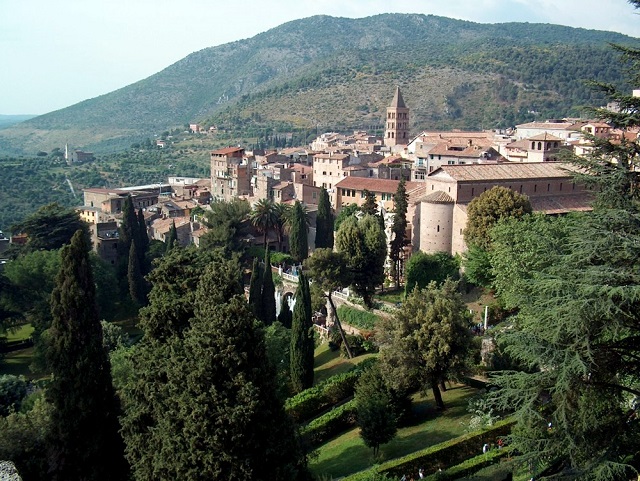
Despite its small size Tivoli has a wide range of fantastic attractions and a superb selection of historic architecture sites. It is a great place to visit! I was feeling so much positivity as I drove, my heart and soul were immerged in history, not any ordinary history but Roman history. Due to its proximity to Rome it is a perfect place where to take a day trip from the capital and there are a lot of tours that take you on a Tivoli day trip. I was going to do just the same, spending a day surrounded by the most beautiful villas in the world. Wasn’t that lovely?
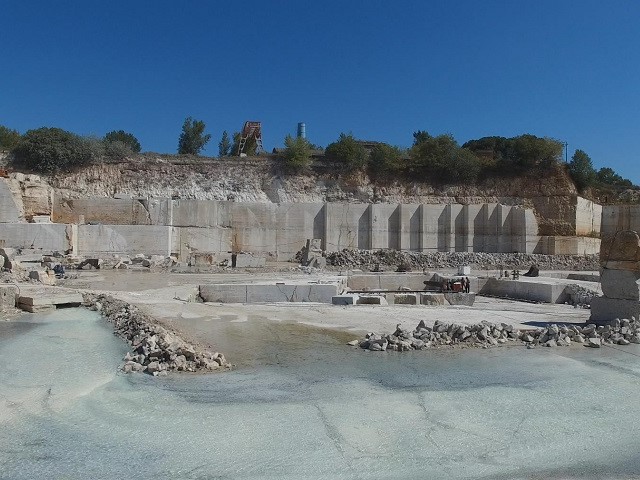
As I paid the toll and left behind me the exit Tivoli on the freeway (not free at all in Italy…), I noticed on the side of the road kilometers and kilometers of uncovered warehouses displaying layers of white slices of marble. I said loud, “What?” Only after my day in Tivoli I learnt that I was completely wrong. The white material I saw in the morning was not marble but travertine, the famous porous limestone that covers all the monuments in Rome including the Colosseum and St. Peter Basilica. The quarry of travertine of Tivoli was already active during the times of ancient Rome and it is still open. This highly versatile material has been used for more than 2000 years now. “Ils sont fous, ces Romans,” as Obélix used to say in the serial Astérix.
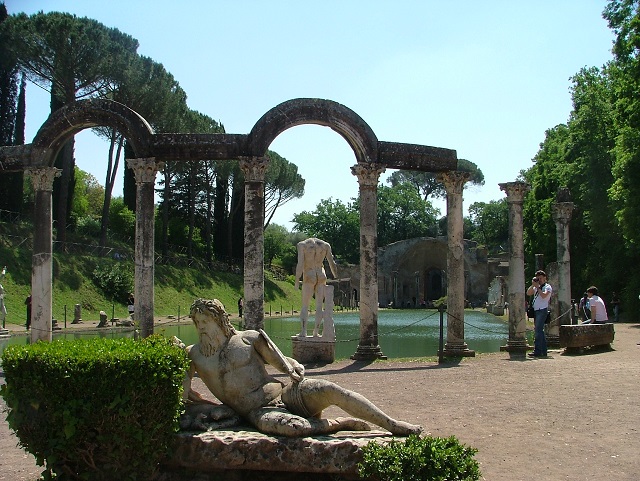
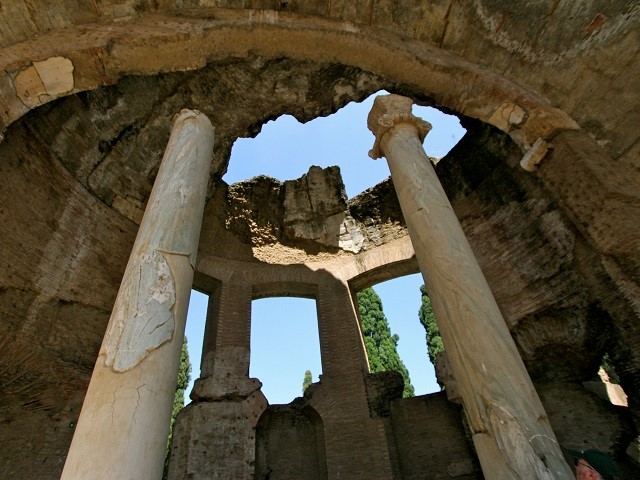
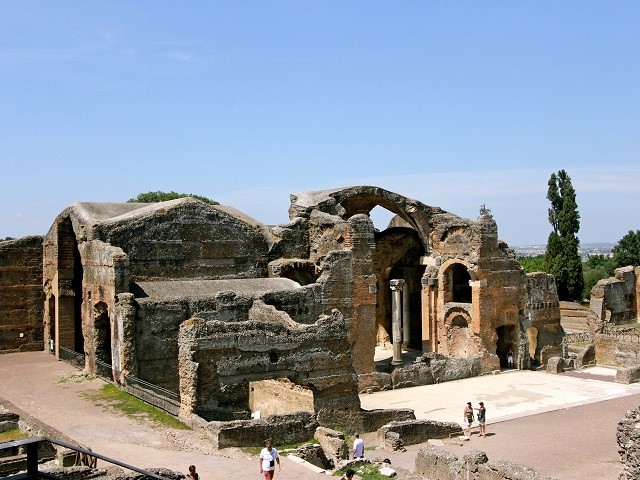
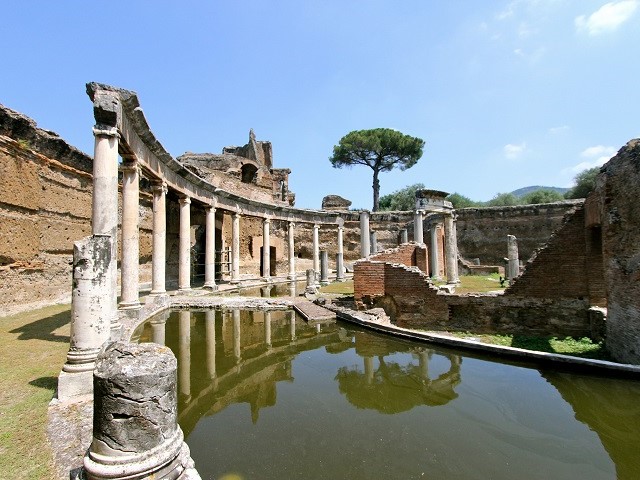
Just west of Tivoli you can find an immense complex once created for the Roman Emperor Hadrian. Tivoli was chosen for its picturesque landscape that feels like you stepped into a painting where the colors of Mother Nature explode with their beauty. The Emperor used this villa, named after him Villa Adriana, as a retreat from Rome during the 2nd century AD.
Making my way towards Villa Adriana was a mix of emotions and when it appeared in front of me, I tried to take in all of its beauty. Was I dreaming or was I really there?
Villa Adriana contains a myriad of well-preserved structures and offers superb insight into ancient Rome. It is a masterpiece that uniquely brings together the highest expressions of the material cultures of the ancient Mediterranean world. It is an exceptional survival from the Early Roman Empire. The great number of buildings and other structures within it, the collection of statues and sculptures that you find disseminated in the villa, illustrate the taste of one of the greatest Roman Emperors. Hadrian was a man of immense culture, who personally oversaw the construction of the villa, inspired by his military campaigns and travels through his extensive Empire. He left a legacy and a masterpiece whose beauty is eternal just like that of the city of Rome.
You cannot go to Tivoli without visiting Villa Adriana, an absolute must!
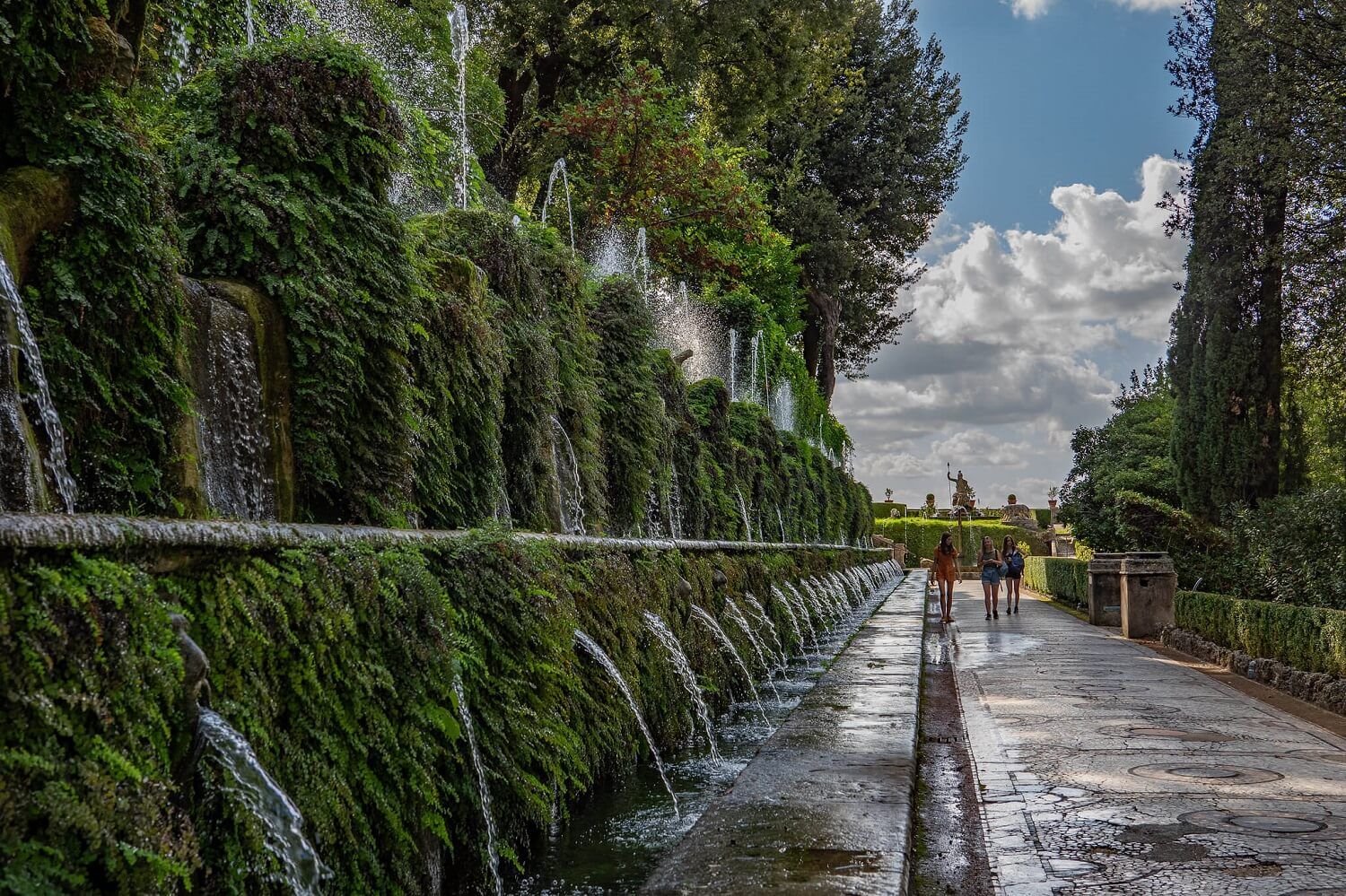
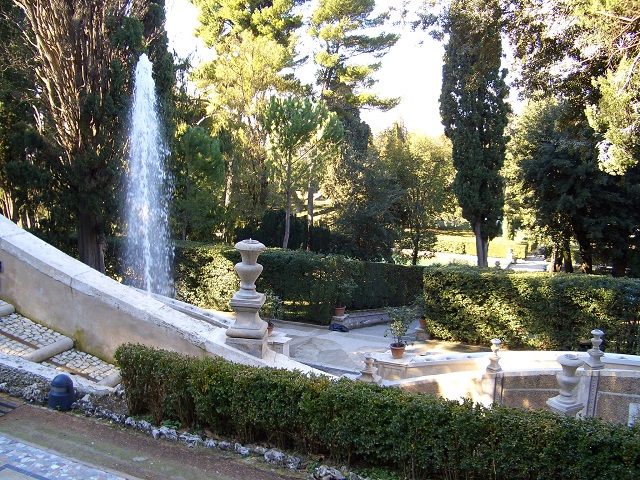
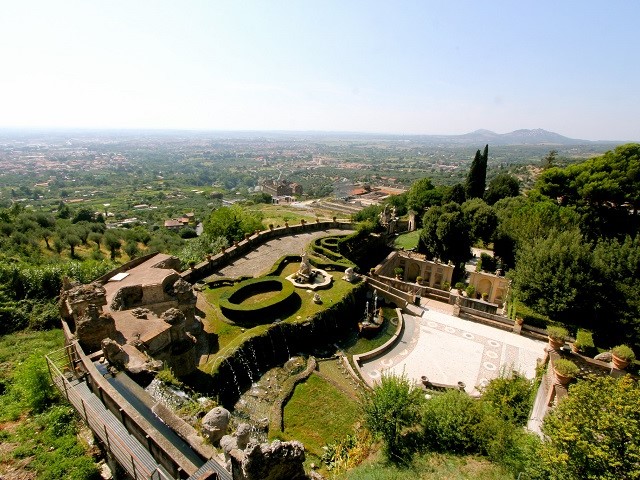
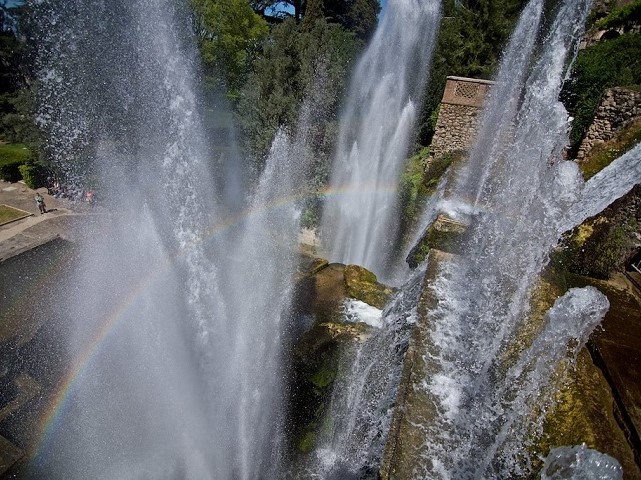
If you really want to acknowledge the values and the esthetical criteria of the Renaissance especially in organizing spaces both indoors and outdoors, you should visit the other famous site in Tivoli, Villa D’Este. The prototype and model of the Italian Garden all around Europe, the garden of Villa D’Este is a spectacular and amazing achievement of the hydraulic engineering of the XVI century; thousands of jets, fountains, monsters, mythological creatures spraying water, miniatures of the greatest remains of the Eternal City.
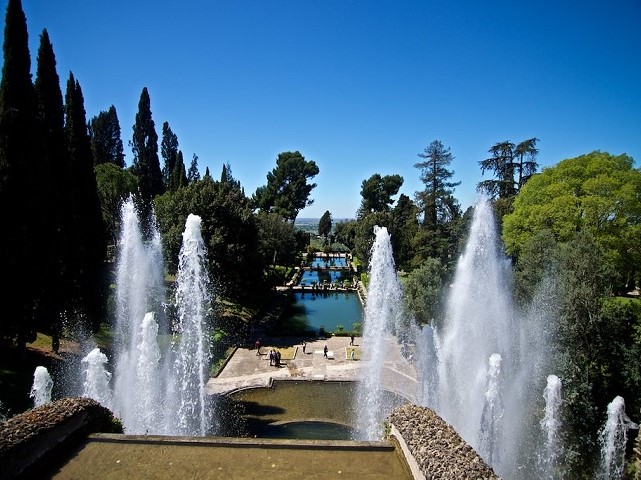
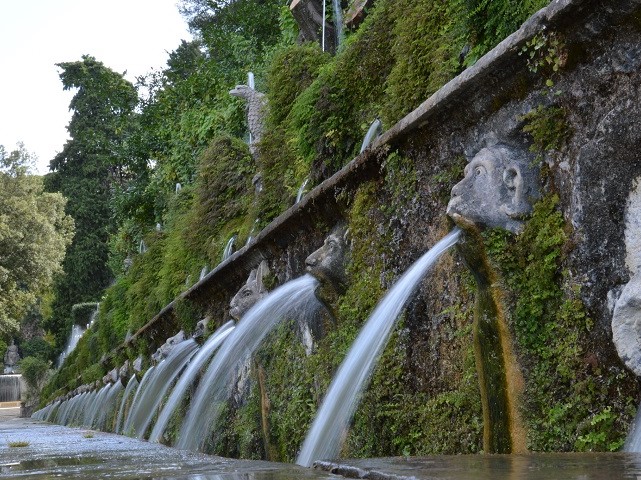
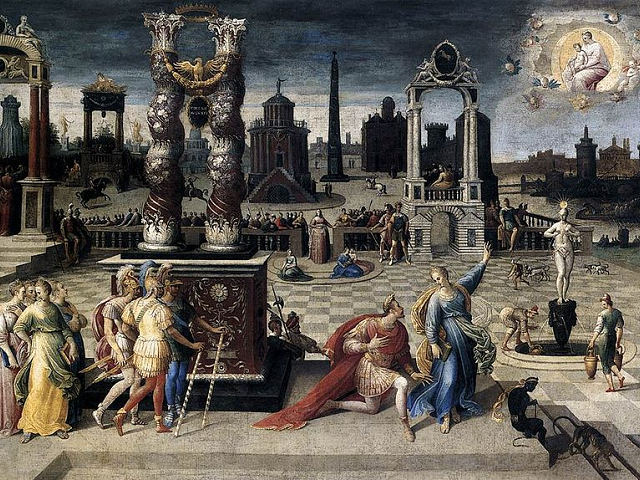
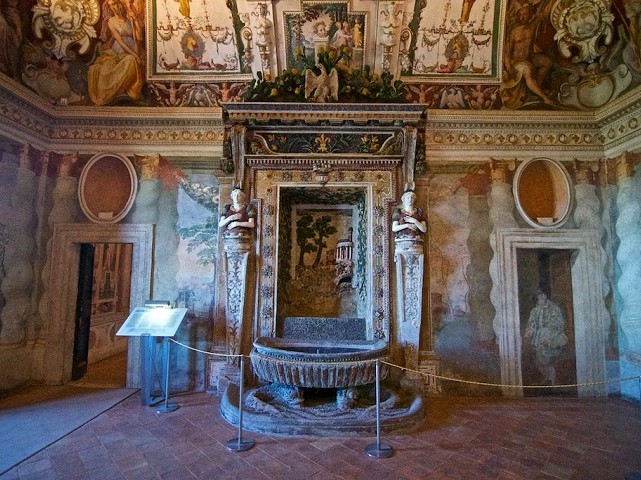
Among the grottos and fountains of the villa, the one that really drove my attention was a huge fountain dedicated to the Sibilla Tiburtina. Tibur was the way the ancient Roman called Tivoli, and Tibur was the scene of an important prophecy whispered to Emperor Augusto by a “she” prophet Sibilla from Tivoli. According with Cristian – Catholic tradition the Sybil announced to Augusto the coming of the Lord in earth with the birth of Jesus Christ.
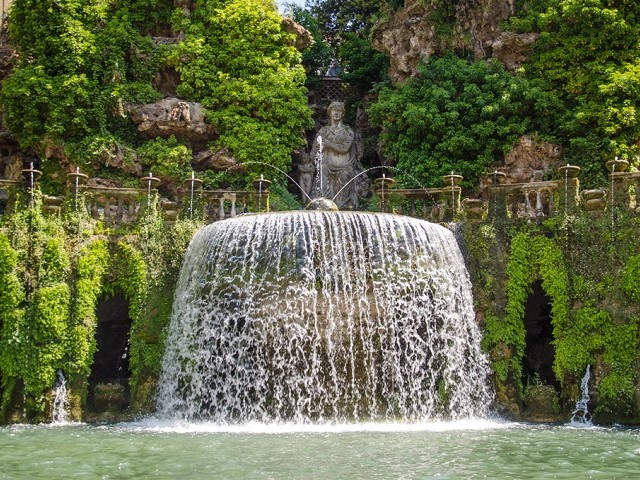
Another highlight of the gardens is the Organ Fountain with a unique and sophisticated water clock and a water organ, one of the first invented and one of the few still functioning. This entire spectacle was organized to please one powerful man, a cardinal, Ippolito D’Este.
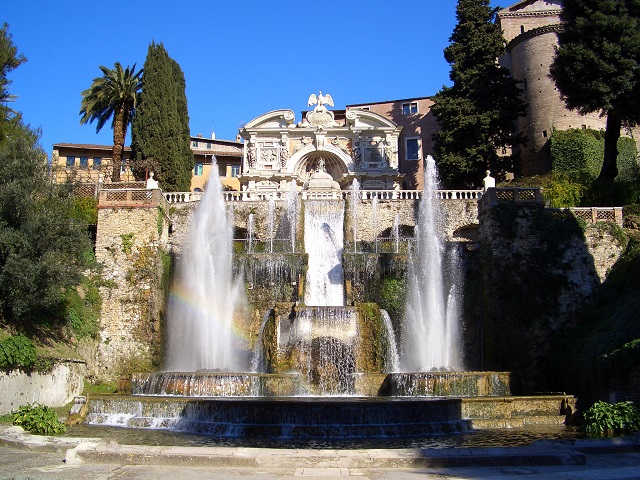
We are at the peak of the Renaissance when Popes are divinized as the Roman Emperors and are called Pontifex Maximus. The French kings of those days boasted luxury secondary residences in the outskirts in France, the castles (like the ones along the Loira river). Cardinals in Italy were powerful as the French kings and they wanted to have their own “royal” country residences. A new concept of the “villa” was introduced, seeing “villa” as it was seen in the ancient roman society as a place for the otium and vacatio.
The interiors of the villa are richly decorated. After the first 10 minutes inside admiring the beautiful frescoes all around, on the ceiling, on the walls, you realize that at that time it was not a scandal at all for a catholic cardinal as Ippolito D’Este to show nudities and all the mythological creatures of the pre-Cristian idols of the pagan culture. It is surprising not to find in any corner of the apartments a cross or a Virgin Mary with her Child.
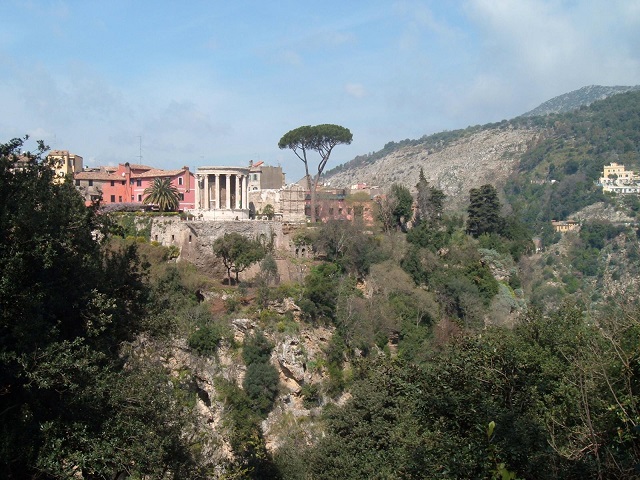
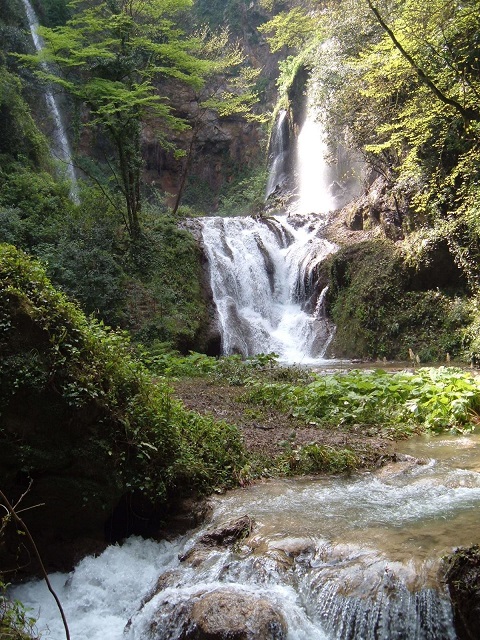
What else does Tivoli offer you? Visit beautiful Villa Gregoriana with its Tempio di Vesta e Tempio della Sibilla. Stroll in the well preserved and picturesque historical center where you can see the Rocca Pia, Tivoli Cathedral, Chiesa di Sant’Andrea, Via delle Cascitelle and more and more…
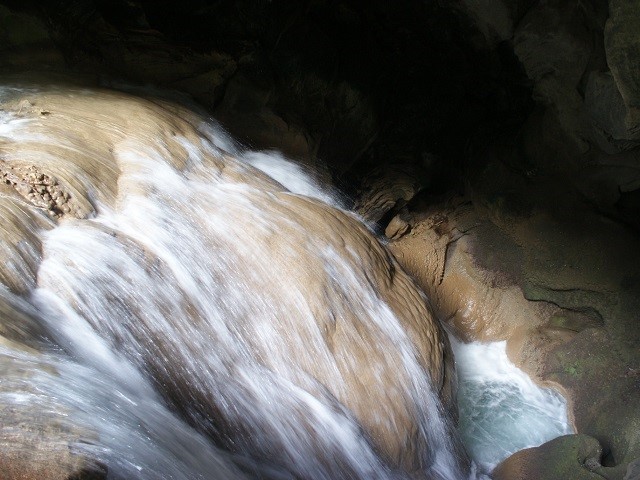
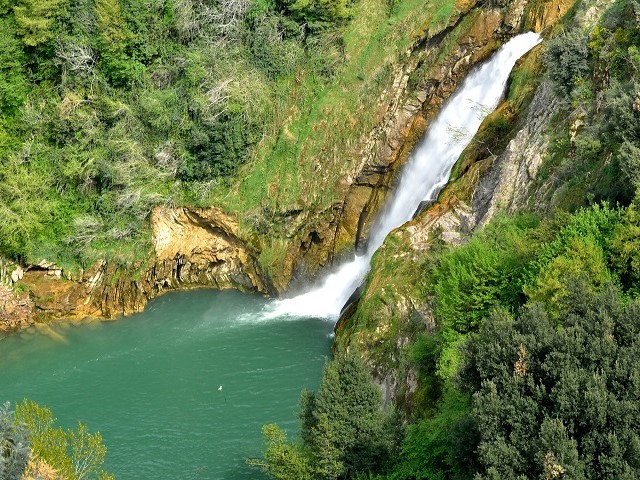
After an Aperol Spritz with a huge green olive in it at a terrace café nearby Villa Gregoriana, I was ready for bed skipping the advice of Giorgia Montesano (director of Villa Gregoriana) to have truffle fettuccini at the very recommended posh restautant Angolino di Mirco in Tivoli down town. My B&B Al Palazzetto was just what I was looking for after such a fulfilling day. I went straight to bed and set my alarm clock. Another intense day was ahead of me, one more day in the outskirts and Rome was in my sight.
The day after I head out to a pretty pocket of verdant hills and volcanic lakes 20 km southeast of Rome, the Colli Albani (Alban Hills) and their 13 towns that are collectively known as the Castelli Romani. Oh my God! I read books and watched movies where the Castelli Romani were featured, and I now found myself driving along their roads. Since ancient times the area has been a green refuge for the inhabitants of Rome and, as I was told, nowadays Romans still flock it on hot summer weekends.
Highlights include the famous wine town of Frascati, the hilltop town of Castel Gandolfo (the “used to be” summer residence of the Popes, before Francesco), the scenic Lago Albano and Lago Nemi, two volcanic crater lakes. The legendary Albalonga where Romulus and Remus spent their childhood. Velletri, the birthplace of the 1st Roman Emperor Ottaviano Augusto. The understanding that I am breathing history and not just any kind of history, but the one of the origin of Roma, makes my heart start beating faster. It was really overwhelming for me and I was day dreaming. The Castelli Romani are not only full of history. Here you can take long walks surrounded by the wildlife and nature inside the Castelli Romani Regional Park. The towns are all extremely beautiful and a must see, don’t miss them - Albano Laziale, Ariccia, Castel Gandolfo, Ciampino, Colonna, Frascati, Genzano di Roma, Grottaferrata, Lanuvio, Lariano, Marino, Monte Compatri, Monte Porzio Catone, Nemi, Rocca Priora, Rocca di Papa, Velletri.
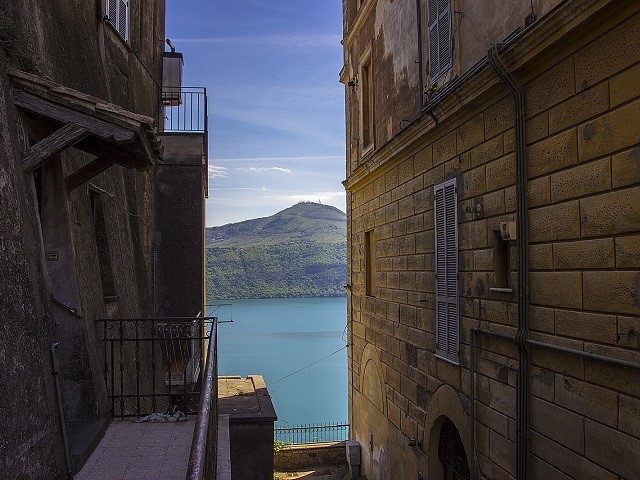
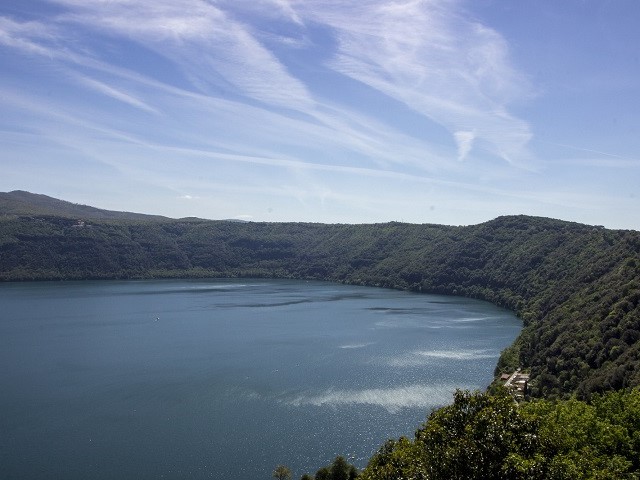
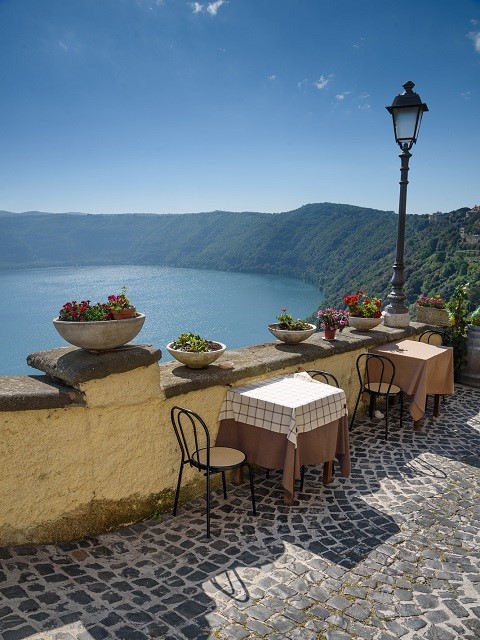
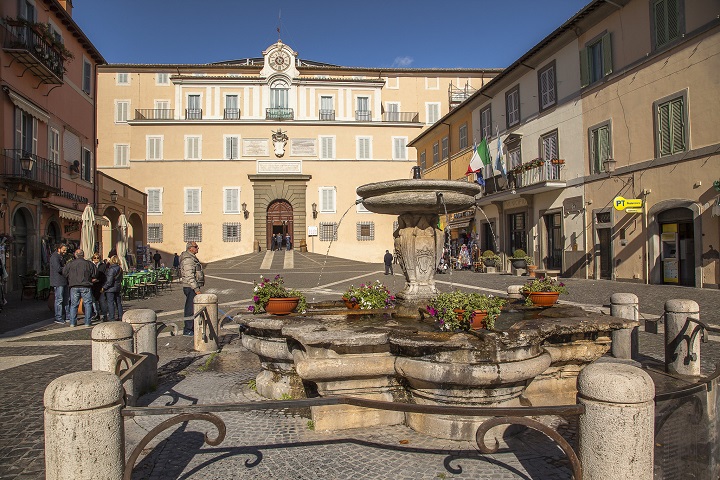
My friend and host Simona Ottaviani, founder of SProjects with the aim of promoting Velletri, was waiting for me. Our plan was to visit the Casa Museo di Ugo Tognazzi first, to have lunch at an agriturismo enjoying good Italian food and then to go for a wine tour in the area. But before I meet with her, I really wanted to stop and visit Nemi in the Regional Park of the Castelli Romani, almost in the middle of the Colli Albani.
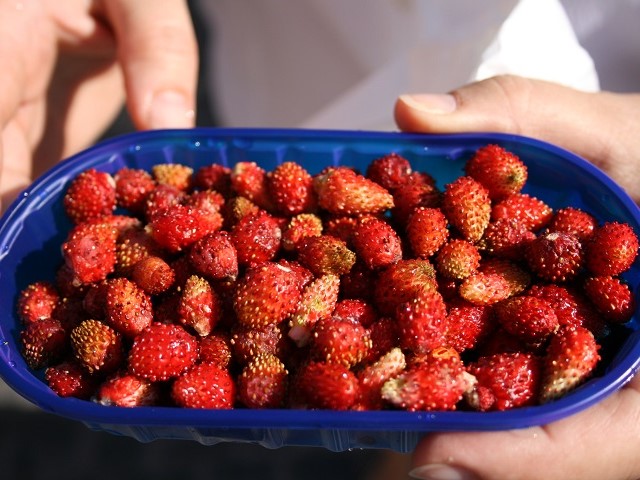
Nemi is a small town known, like in fairytales, for its strawberries that grow along the shore of the lake of the same name. What caught my attention was the legend behind the lake and its strawberries and being a helpless romantic I wanted to learn more. A little old Italian lady was sitting by the lake and enjoying her afternoon. I sat down beside her and asked if she could kindly tell me what she knew about the legend. Her name was Caterina, happy to help she started to narrate the story. I sat there listening to her and I started to imagine it all. According to the legend the tears of Venere transformed the blood of her beloved Adone after his death into small red hearts or strawberries. I was almost in tears, “Grazie Caterina.” She reminded me so much of my nonna, I gave her a kiss on the cheek and waved goodbye.
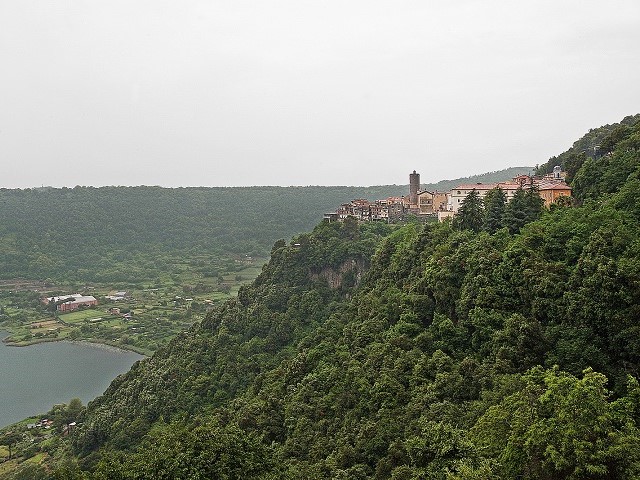
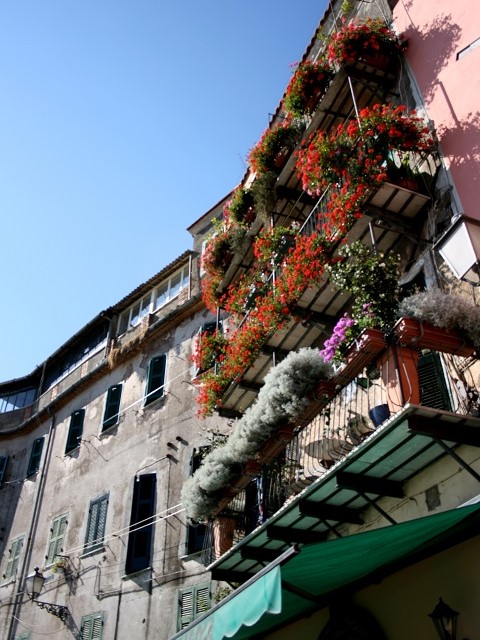
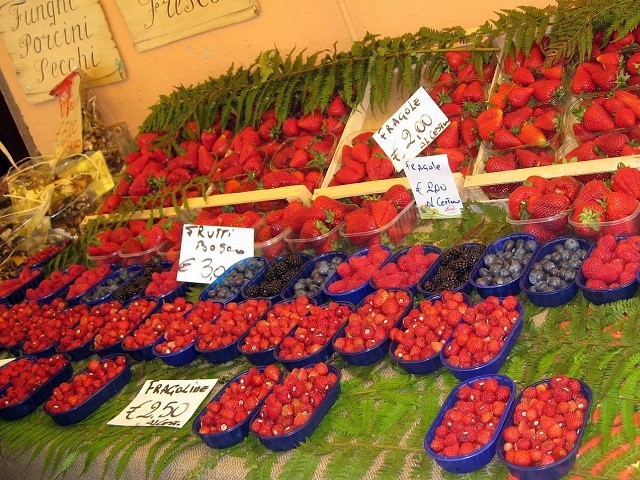
This deep volcanic lake is also home to a temple dedicated to the ancient Roman goddess of hunting and forest Diana and it is referred to by poets as speculum Dianae – "Diana's Mirror" . The priest in charge to take care of the temple wasn’t a normal priest. He was so important and terrific to have the honor of being called king, the king of the bush, the famous Rex Nemorensis. The legend about this king and the connections with similar beliefs all over the world are so interesting and important that Mr. James George Frazer (1854-1941), a Scottish anthropologist and scholar, dedicated his main work in 13 volumes with the original title "The Golden Bough" (published between 1911 and 1936) to the collection and comparison of these popular beliefs and traditions about the magic and religion of people.
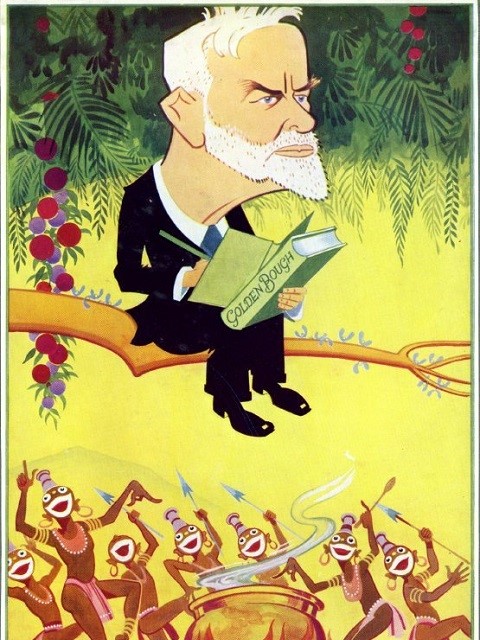
According to Frazer, within the sanctuary at Nemi grew a certain tree of which no branch might be broken. Only a runaway slave was allowed to break off, if he could, one of its boughs. Success in the attempt entitled him to fight the priest in single combat, and if he slew him, he reigned in his stead with the title of King of the Wood (Rex Nemorensis). According to the public opinion of the ancients the fateful branch was that Golden Bough which, at the Sibyl's bidding, Aeneas plucked before he essayed the perilous journey to the world of the dead.
It appears that Diana was conceived of especially as a huntress, and further as blessing men and women with offspring, and granting expectant mothers an easy delivery. Fire seems to have played a foremost part in her ritual. Frazer tells us that during her annual festival, held on the 13th of August, at the hottest time of the year, her grove shone with a multitude of torches, whose ruddy glare was reflected by the lake; and throughout the length and breadth of Italy the day was kept with holy rites at every domestic hearth. Bronze statuettes found in her precinct represent the goddess herself holding a torch in her raised right hand; and women whose prayers had been heard by her came crowned with wreaths and bearing lighted torches to the sanctuary in fulfilment of their vows. Further, at the annual festival of the goddess, hunting dogs were crowned and wild beasts were not molested; young people went through a purificatory ceremony in her honour; wine was brought forth, and the feast consisted of a kid cakes served piping hot on plates of leaves, and apples still hanging in clusters on the boughs.
But Diana did not reign alone in her grove at Nemi. Another lesser divinity called Egeria shared her forest sanctuary. Egeria was the nymph of the clear water which used to fall into the lake at the place called Le Mole. Women with child used to sacrifice to Egeria, because she was believed, like Diana, to be able to grant them an easy delivery. Tradition ran that the nymph had been the wife or mistress of the wise king Numa, the king of Rome. The remains of baths which have been discovered, together with many terra-cotta models of various parts of the human body, suggest that the waters of Egeria were used to heal the sick, who may have signified their hopes or testified their gratitude by dedicating likenesses of the diseased members to the goddess, in accordance with a custom which is still observed in many parts of Europe. What I read about the temple of Diana in Nemi was really impressing and I couldn’t believe to be there.
I also could not believe that in the Aeneid, the Latin epic poem, written by Virgil at the time of Emperor Augusto, the long journey of Aeneas, escaping from the war of Troy, after 9 years at sea and many adventures, ended not far from Nemi, in Lanuvio (the old Civita Lavinia). In Nemi town there are several terrace cafés facing the water of the lake and where you can enjoy a nice cup of wild strawberries with weep cream and take the advantage of a breathtaking view. In the horizon, exactly at the point where the sky blends its blue color with the sea, there is the beach resort of Lavinio where according to Virgil, Aeneas and his companions disembarked and where his journey ended. After a fight with local people, their king Latino welcome Aeneas in his land and gave to the hero her daughter Lavinia as a spouse; surprised Aeneas took this event as a sign of the favor of the Gods. To pay homage to king Latino Aeneas decided that from that moment onwards the Trojans had to live in peace with the locals and together they will be called The Latins.
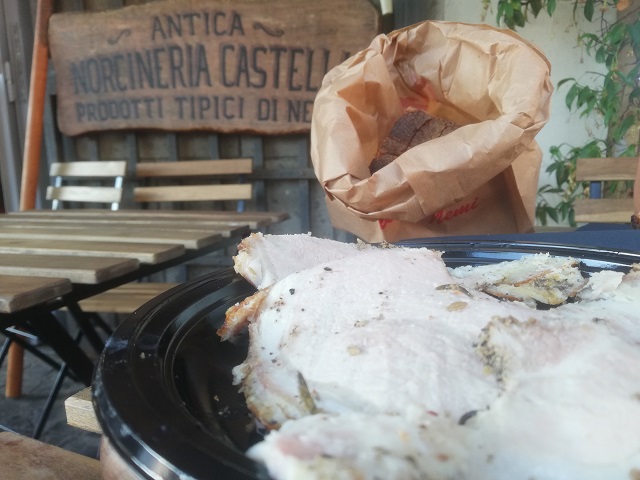
The area of Castelli Romani (“The Castles of Rome”) is well-known and famous for the festival dedicated to the king of the pork cuts; I shall not leave without enjoying typical dishes of the area. Porchetta (whole pork roast) was first introduced to the Castelli Romani in the ‘800 by the families of butchers from Umbria (known as “norcini” because of Norcia, a hill town in Umbria). The town of Ariccia is the best known for its porchetta, and you can enjoy its typical dishes in the typical taverns fraschette where they pair perfectly their white house wine with the delicacies of the territory.
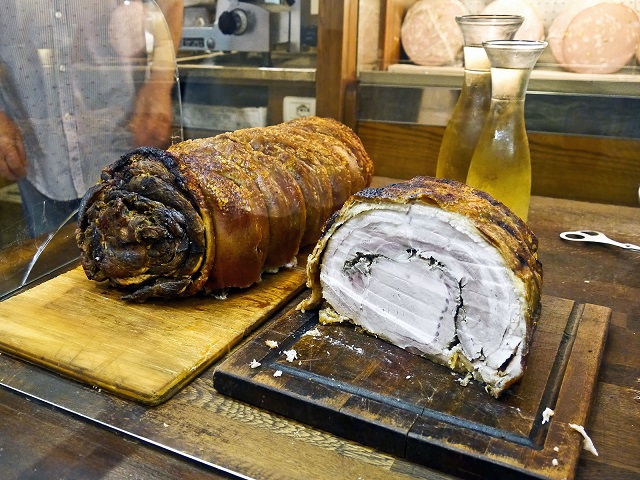
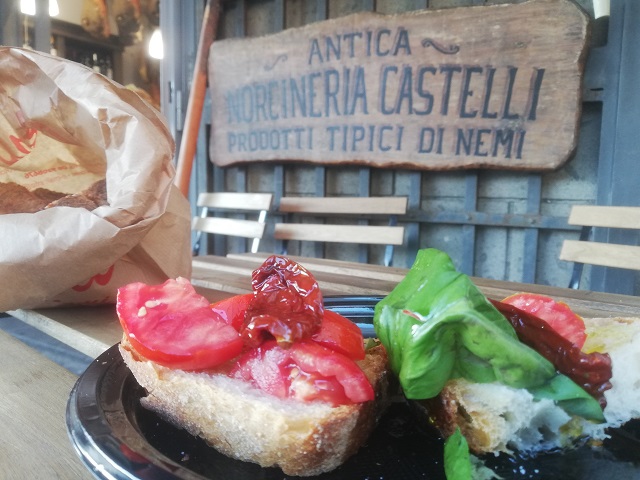
I was still in Nemi when I made my way to a norcineria called "Castelli". It is a famous tavern, something in between a butcher and a delicatessen store, that only serves pork cuts. As I made my way inside, I was so impressed by what I found! I walked into a salami forest, because they had all kinds of delicious goods hanging from the ceiling, prosciutto, lonza e coppiette.
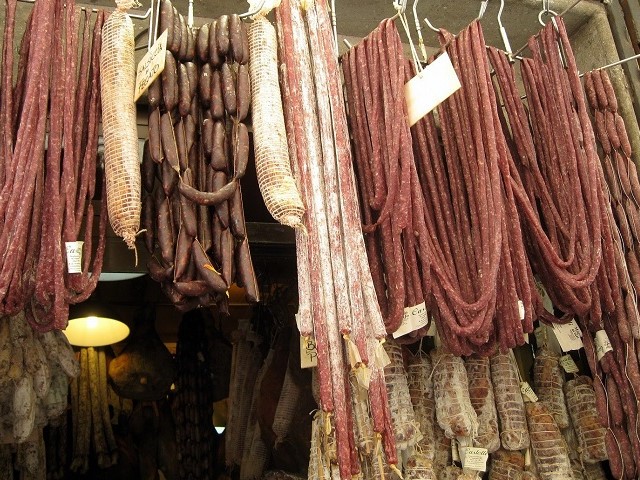
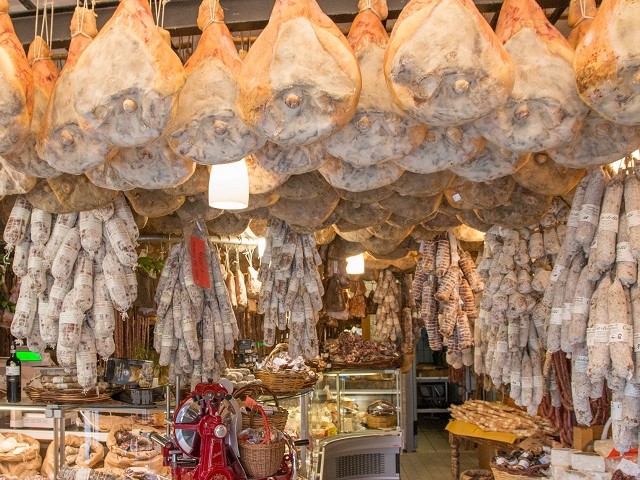
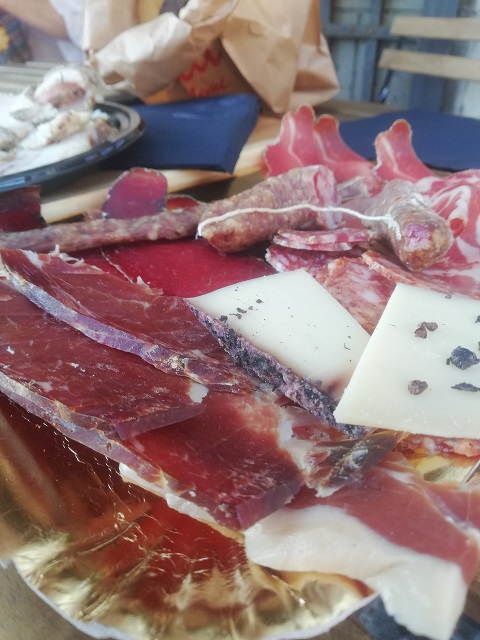
I was not allowed to have a seat, only take away is permitted, and the norcineria attendant brought me to taste their products while sipping their house red wine pored into a tiny “quartino” carafe.
I called Simona to know where we were going to meet. I was thirsty and found out that in Nemi, just as in Marino, I could drink fresh sparkling mineral water directly from the public fountain spouts. There she was Simona Ottaviani, a beautiful young Italian lady, just as I had imagined her, sweet and kind. While she was talking, I could understand what a strong love she had for her region. I could perfectly understand her devotion and the love that she puts into her job. Her region, the entire territory that surrounded was of such a beauty that you could not but fall in love with it. And that was exactly what I did.
We chatted as we made our way to the Casa Museo di Ugo Tognazzi. The Cultural Association Ugo Tognazzi decided to create a house museum to keep alive the memory of Ugo Tognazzi’s professional and private life. Ugo Tognazzi was an actor, a movie director and a comedian; he is considered one of the protagonists of the Italian comedy alongside Alberto Sordi, Vittorio Gassman e Nino Manfredi. Simona was explaining that there they also host private, cultural and food and wine events. In the actor’s historic residence in Velletri, his friends called it Casa Vecchia, Ugo Tognazzi used to have lunches and dinners completely conceived and prepared by him with menus based entirely on the local produce.
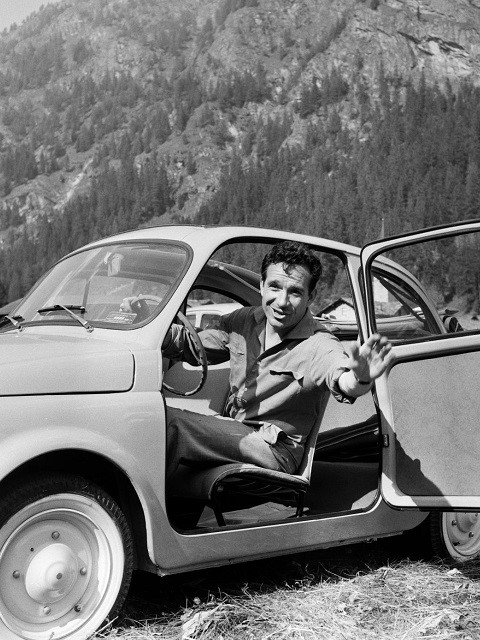
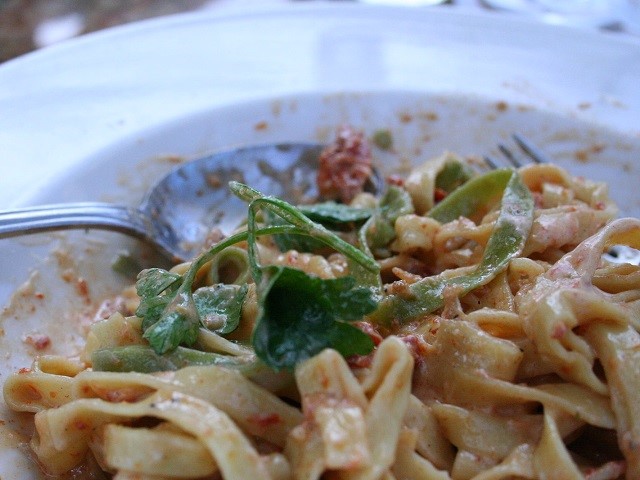
Talking about his passion for food made me get a little hungry. My stomach started growling and with Simona we broke out in a good laugh. “Andiamo Maria, ci sono le fettuccini che ci aspettano,” were the words that she pronounced, magical words. We drove into the Roman countryside approximately 40 km away from Rome to an organic farmyard were Fabrizio was waiting for us with his mother Celeste. I was so excited because Celeste was going to teach me how to make homemade pasta. What an incredible experience mixing the dough and then making fettucine with my own hands. My friends would not believe it!
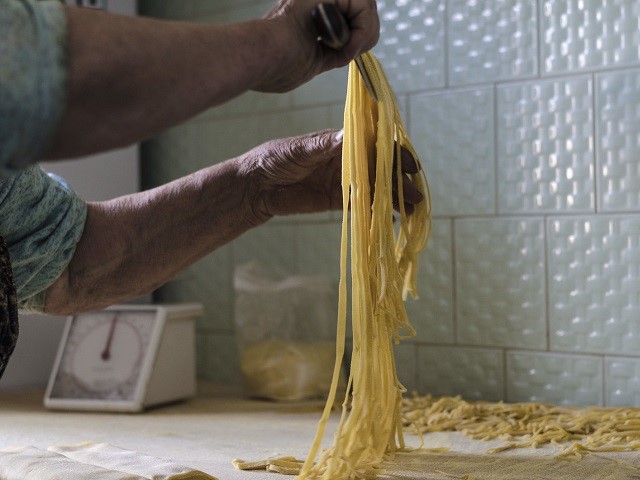
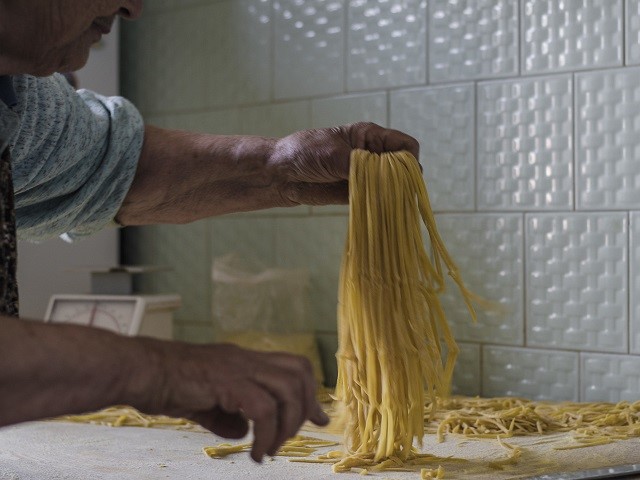
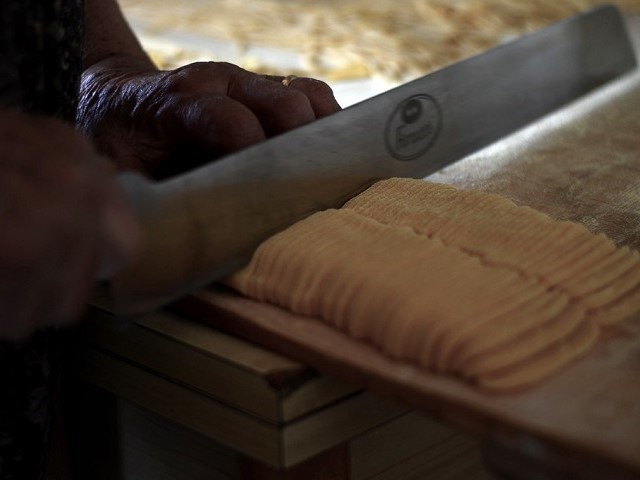
Lunch with Simona, Fabrizio and his mother Celeste was delicious. Great lunch in an authentic atmosphere. These are the traditions that are a pleasure to experience.
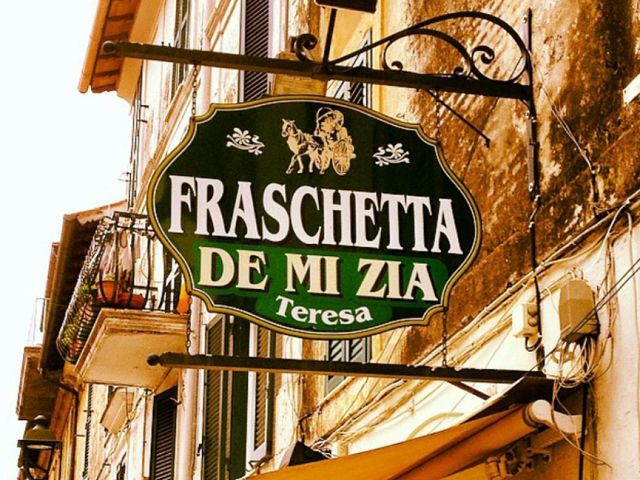
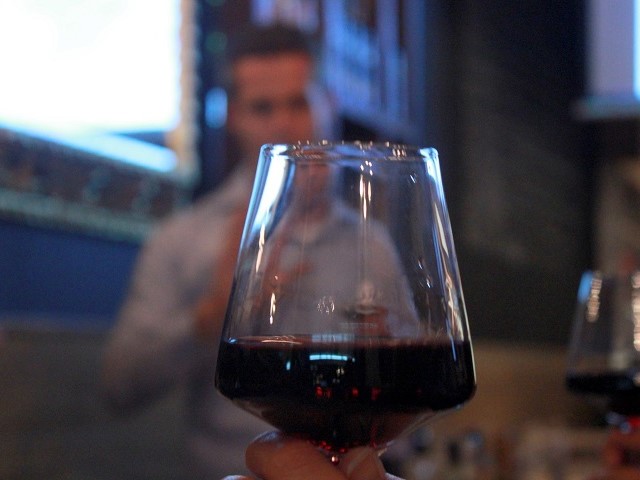
For the afternoon my host Simona organized for me a “digestive” walking tour in a vineyard and of course more wine to taste because when in Rome do as the Romans do… While Simona was driving me to the vineyard, probably she noticed I was a little sleepy, fair enough, being siesta time for Italians… In order to attire my attention and wake me up, Simona suddenly and loudly spoke to me like this, "Hello Maria! Are you ready to go back in time? A full immersion in the history of wine and food of the territory surrounding Rome, refuge of Popes, Roman Emperors and young aristocrats of the 18th century Grand Tour. You will be introduced into culture and traditions of the Roman Hills region and you will listen to stories about the drinking and eating habits of Renaissance Popes and ancient Romans. We will stop at a small winery inside the organic farm Azienda Agricola Di Palma Riccardo where you will walk through the vines and visit the cellars. You will learn more about the wine making process and you will have some samples of wines, guided by a professional sommelier and wine historian. After this, Maria, I will take you for a stroll in Castel Gandolfo, the summer residence of the Pope, one of the most well-known of the 13 villages of the Roman Hills, with a breathtaking view of the volcanic lake. Then we will head to the charming Ariccia for an Aperitivo Romanesco in the rustic tavern Fraschetta De Mi Zia, a hot spot for gastronomy and more wine. Ariccia is “the place” to taste the delicious “porchetta”, roasted pork with rosemary and fennel. We will taste local food and drink local wine and we will head back to Velletri with full bellies!"
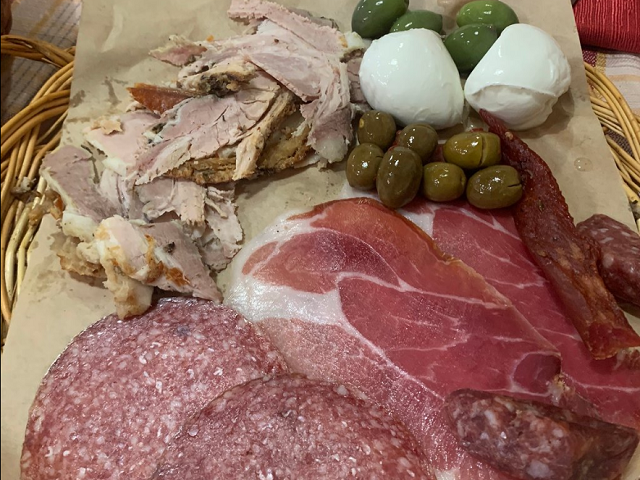
Simona really made my day. As a Genius Loci she was my Passpartout for the all day and thanks to her multiple connections I was able to discover all the area of the Castles of Rome. There are many tours and experiences that qualified people as Simona can offer you to allow you to explore the endless beauty of la Campagna Romana (the Roman countryside). Look at her website www.sprojects.it.
Simona drove me to La Tognazza and thank to her that night I had the privilege to be a “special guest” at Casa Vecchia, still the private house of Tognazzi Family not yet open to the public. “I cannot believe it,” I screamed at Simona when she told me that I was going to sleep in one of the rooms where Ugo Tognazzi used to invite his friends. I was really touched by Simona’s last surprise. I thanked her for such a great day.
I managed to tell you here only a small part of all the beautiful things I learnt and experienced. Traveling through Lazio was the best decision I had ever made, and I do hope you have enjoyed reading this trip story. I wish with all my heart each and everyone of you reading my diary to feel and see one day the magic of the region of Lazio with your own hearts and eyes. Lazio lies in the shadow of its capital city Roma, but it does have a lot of things to offer to a traveler, it is beautiful and full of history.
I went straight to bed and set my alarm clock, another intense day was ahead of me, la Dolce Vita and Rome was in my sight.
See you all in Roma, the Eternal City.